Sales Tax Scaries 4: Nexus and Taxability
When Sales Tax Creeps Up on You
Ever notice how the first characters in every horror movie never...
With over 20 years of experience managing sales and use tax complexities, TaxConnex understands the nuances automation alone cannot solve. Our combination of technology, dedicated experts, and hands-on oversight keeps your business compliant, no matter how complex your operations become.
For many years, software and SaaS companies considered themselves exempt from sales tax obligations, but that is no longer the case for most states. While software businesses are often based in a single state, they typically sell into multiple states, meaning a potential for a much larger nexus footprint. Understanding when you have reached nexus is critical to apply tax correctly.
Learn more →
As with nexus, the taxability of software varies from state-to-state. Properly defining your products/services is very important for all businesses, but can often trip up a technology or SaaS business related to taxability rules. Keeping track of these taxability rules can be overwhelming.
Check out our SaaS taxability map here →
The situs is the location in which a taxing event occurs. Do you apply tax based on the bill-to location or where the end users of the software are located? This is a challenging question that software companies need to address.
Learn more →
Listen to why our client, Dinah McQueen of Profisee chooses to UPSOURCE their sales tax management to TaxConnex!
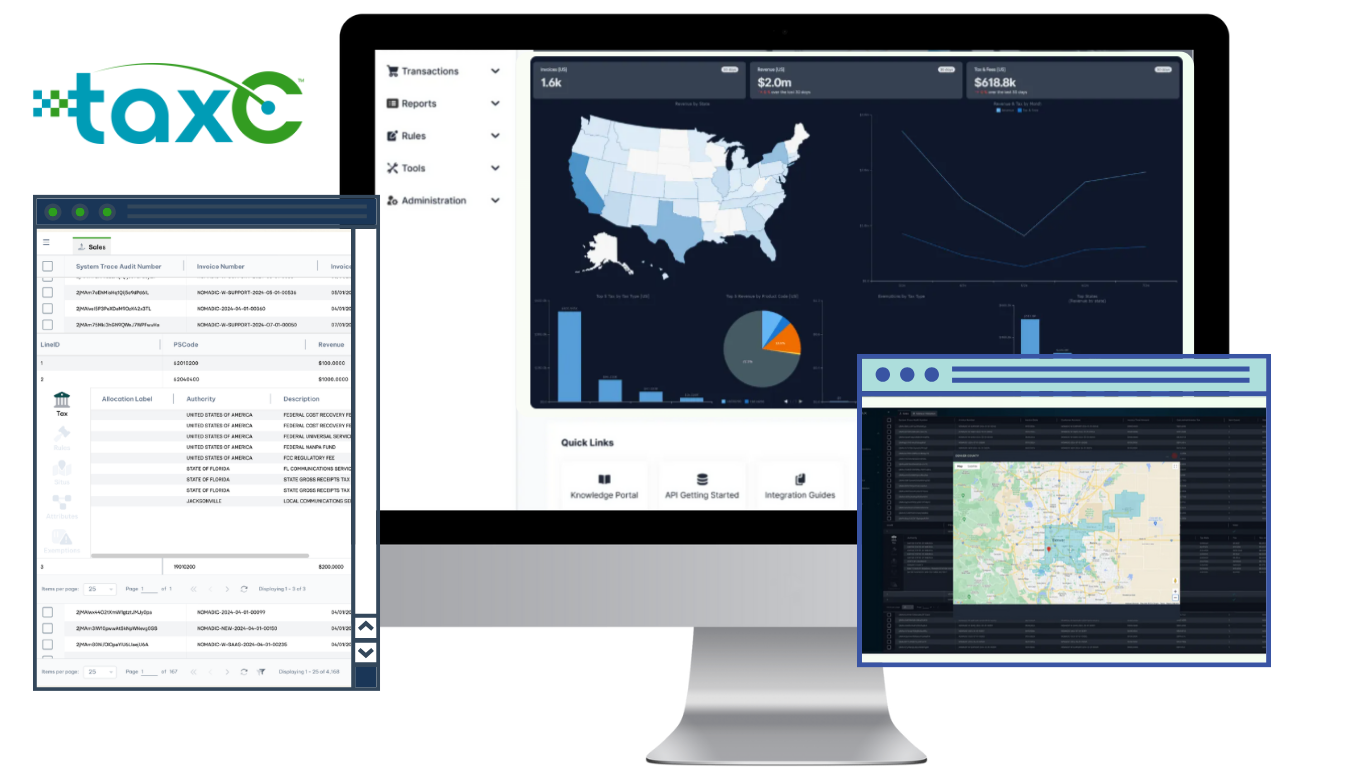
Designed to eliminate the headaches of sales tax management, taxC™ streamlines tax calculations, filing, remittance, GL reconciliation, tax calendar management, jurisdictional correspondence, and more—all while ensuring your compliance with real, human oversight from a dedicated practitioner.
It’s important to have a partner that is open and honest with you. [Our practitioner] really does go above and beyond to handle everything for us. When I send them our monthly reports, they examine our data, ask me questions to double check that there aren’t any gaps or errors, and then file our reports. [Our practitioner] also goes the extra mile to make sure I understand everything and is always willing to jump on a call to simplify things for me when needed.
Yes. Most states tax some form of software or SaaS, which means many software and SaaS companies are required to collect sales tax once they establish nexus in a state.
However, not all states tax software the same way. Some tax SaaS as tangible personal property, some tax it as a service, and a few states do not tax certain types of software at all. Whether you must collect sales tax depends on two things: where you have nexus and how each state classifies your specific product or service.
For growing technology companies selling across multiple states, this often results in sales tax obligations in more places than expected.
Product classification directly determines whether you must charge sales tax. States tax software, SaaS, digital products, and related services differently, so how your offering is defined controls the tax outcome.
If a product is classified as taxable software in one state but a non-taxable service in another, the collection requirement changes. Misclassifying your offering can lead to under-collecting tax and audit exposure, or over-collecting tax and creating customer issues. For software and technology companies, clearly defining each revenue stream is a critical step in managing compliance.
Some states tax software delivered electronically, others tax SaaS subscriptions, and some exempt certain technology services altogether. These differences require software companies to track and apply state-specific taxability rules, which can change over time.
Situs determines which state or local jurisdiction has the right to tax a sale. For software and SaaS companies, it establishes where the transaction is considered to occur for sales tax purposes.
Depending on the state, situs may be based on the customer’s billing address, the primary business location, or where the software is accessed or used. Because tax rates and rules vary by jurisdiction, determining the correct situs directly impacts whether tax applies and how much must be collected. Incorrect sourcing can result in misapplied rates and audit exposure.
Sales tax is based on where a transaction is considered to occur. For software and SaaS companies, that location determines which state’s tax rules and rates apply.
Depending on the state, tax may be sourced to the customer’s billing address, primary business location, or where users access the software. Because rules vary widely, identifying the correct location is essential to charging the right tax and avoiding compliance issues.
No. Automation and AI tools can calculate tax rates and apply rules, but they cannot fully manage a complex sales tax compliance alone.
Software taxability varies by state, product type, contract structure, and sourcing rules. Determining nexus, monitoring state law changes, managing registrations, handling audits, and resolving prior exposure require human oversight and judgment. For most software and SaaS companies, automation is a valuable tool, but it works best when paired with experienced sales tax professionals.
Learn more here.
Yes. Expanding your product offerings can significantly change how your revenue is taxed.
Adding features such as SMS messaging, VoIP, data transmission, hardware, or bundled services may move your company into different tax categories. In some cases, this can trigger telecom taxes, 911 fees, or other regulatory obligations in addition to traditional sales tax. Each new revenue stream should be reviewed before launch to determine its tax treatment.
Learn about the complexities of telecom tax here!
Ever notice how the first characters in every horror movie never...
Copyright © 2025 TaxConnex, LLC