Sales Tax Scaries 4: Nexus and Taxability
When Sales Tax Creeps Up on You
Ever notice how the first characters in every horror movie never...
With over 20 years of experience managing sales and use tax complexities, TaxConnex understands the nuances automation alone cannot solve. Our combination of technology, dedicated experts, and hands-on oversight keeps your business compliant, no matter how complex your operations become.
Each state has its own sales tax rules related to nexus and taxability. Understanding these rules in a single state is often straightforward; however, as you expand into multiple states, the issues is multiplied significantly.
Risk for prior period mistakes should be identified and dealt with properly to minimize future risk to the business no matter your industry.
Don't take our word for it. Listen to a few of our clients on why they choose to UPSOURCE their sales tax management to TaxConnex!
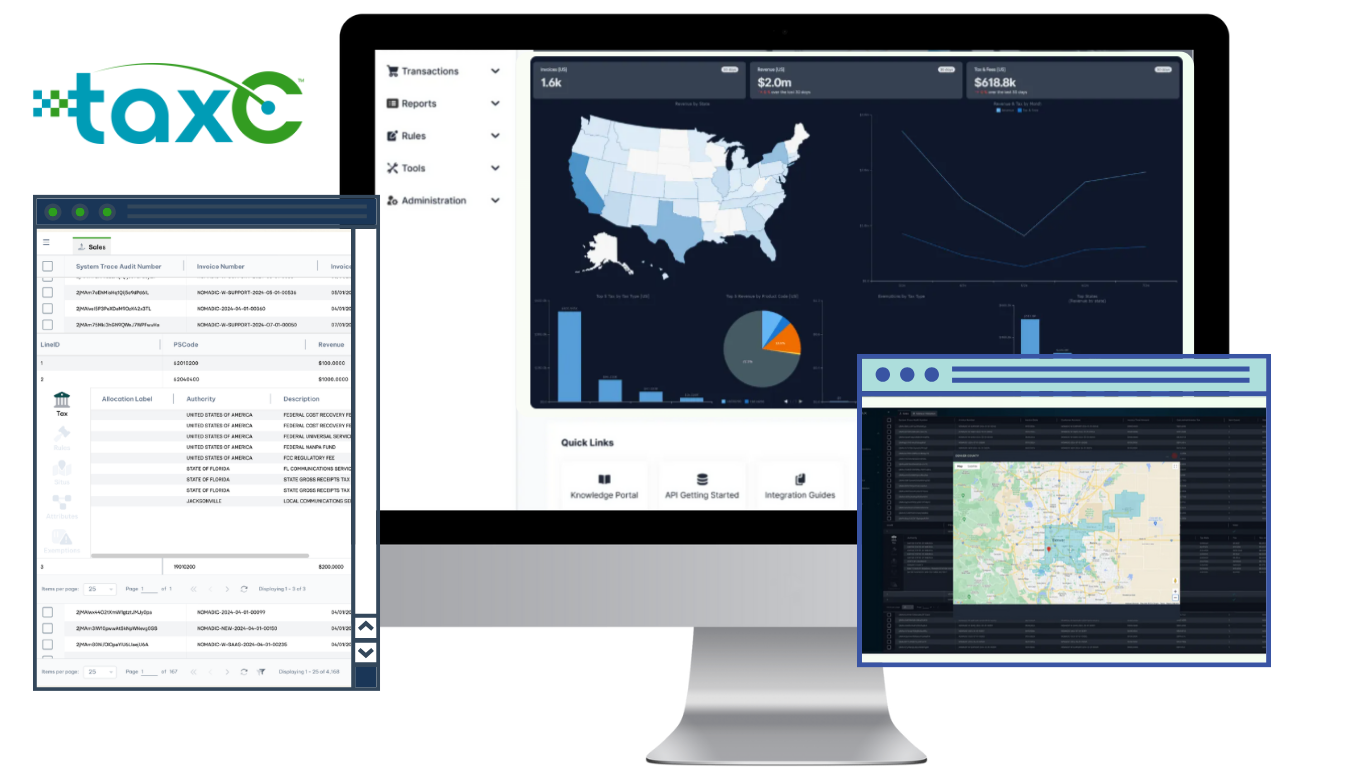
Designed to eliminate the headaches of sales tax management, taxC™ streamlines tax calculations, filing, remittance, GL reconciliation, tax calendar management, jurisdictional correspondence, and more—all while ensuring your compliance with real, human oversight from a dedicated practitioner.
Yes. Sales tax complexity increases as a business expands into new states, adds products or services, and introduces new sales channels. Growth often creates additional nexus exposure, new registration requirements, and varying taxability rules across jurisdictions.
As companies scale, they may add ecommerce platforms, marketplace sales, multiple legal entities, subscription models, or new product lines. Each change can impact how and where sales tax must be collected and reported. What was once a single-state filing obligation can quickly evolve into a multi-state compliance structure with different sourcing, exemption, and reporting rules.
Because sales tax obligations expand alongside revenue and operational footprint, reviewing compliance processes during periods of growth is critical to avoiding gaps and audit exposure.
Yes. Sales tax exemptions vary significantly by industry, product type, and state law.
Certain industries, such as manufacturing, healthcare, agriculture, or nonprofit organizations, may qualify for specific statutory exemptions. However, eligibility depends on how the product is used, how it is classified, and how each state defines qualifying activity. An item that is exempt in one industry or state may be fully taxable in another.
Because exemption rules are highly industry-specific and state-specific, businesses operating across multiple states or expanding into new product lines should review exemption eligibility carefully. Misapplying exemptions can result in audit assessments, while failing to claim available exemptions can increase costs unnecessarily.
Yes, in many cases. A business located outside the United States can establish sales tax nexus through economic activity if it exceeds a state’s sales threshold.
Physical presence is no longer required. If a foreign seller exceeds a state’s economic nexus threshold based on revenue or transaction volume, it may be required to register, collect, and remit sales tax in that state. Because compliance requirements vary by jurisdiction, international businesses entering the US market should assess their exposure early to avoid unexpected liabilities.
Learn more in this Need to Know Guide for International Sellers
Sales tax treatment of subscription models depends on what is being provided. If the subscription includes taxable tangible goods, those shipments are generally subject to sales tax. If the subscription includes digital products or services, taxability varies by state.
Bundled subscriptions that include products, digital access, or services may require allocation to determine the taxable portion. Businesses offering recurring revenue models should evaluate how each component is structured and invoiced to ensure proper tax treatment across states.
Learn more in this blog!
Not fully. Automation and AI can assist with calculations, filings, and efficiency. However, sales and use tax compliance often requires expert judgment, particularly when dealing with nexus determinations, exemptions, and prior-period exposure. Human oversight helps ensure compliance decisions align with applicable rules. Learn more here.
It depends on the state and how the product is classified. Some states exempt certain vitamins, dietary supplements, or medical devices, while others treat them as taxable tangible personal property.
Taxability often depends on factors such as whether the product requires a prescription, is classified as a medical device, or is marketed as a dietary supplement. Because definitions vary significantly by state, businesses selling health-related products must review product classifications carefully to determine whether sales tax applies.
Get in touch to learn more about your specific situation!
In most cases, yes. Sales tax obligations are determined at the legal entity level, not the brand or operational level. If a business operates multiple legal entities, each entity may have separate nexus thresholds, registration requirements, and filing obligations.
Even when entities share common ownership, inventory, or management, states typically treat each entity as a separate taxpayer unless specific combined reporting rules apply. Businesses operating under multiple entities should evaluate nexus and compliance requirements for each structure individually to avoid gaps in registration or reporting.
Ever notice how the first characters in every horror movie never...
Copyright © 2025 TaxConnex, LLC