Advanced Sales Tax Compliance for Complex Construction Businesses

With over 20 years of experience managing sales and use tax complexities, TaxConnex understands the nuances automation alone cannot solve. Our combination of technology, dedicated experts, and hands-on oversight keeps your business compliant, no matter how complex your operations become.

Ready for Reliable Compliance? Get in Touch

Complexities Facing Construction Companies

Each business and industry face different complexities, but TaxConnex has years of experience to help you remain compliant. A few complexities specific to the construction industry you may face are: 
11-Oct-30-2024-12-31-54-8779-PM


Taxability

Contractors typically will pay sales tax on their purchases and not charge sales tax on their services. However, like other sales tax issues – a lot depends on the state and the type of contract. Factors that effect whether you charge sales tax include whether you are improving real property or selling and installing TPP, is the project new construction or a remodel, and what state is the project performed?

Learn more


Exemptions

Exemptions could apply to contractors based on who the end customer is as well as whether you are considered the general contractor or perhaps you are providing services to the general contractor who in turn is billing the end customer.

Learn more


Additional Tax Due

 When contractors purchase products in one jurisdiction and use them in another jurisdiction, additional tax (above what was already paid on the purchase) may be due based on where the project is performed. Understanding and tracking these obligations is a lot to keep up with.  
 

No matter the sales tax complexity, TaxConnex takes it off your plate!

Ceretax taxC

Advanced Sales Tax Software + Human Oversight

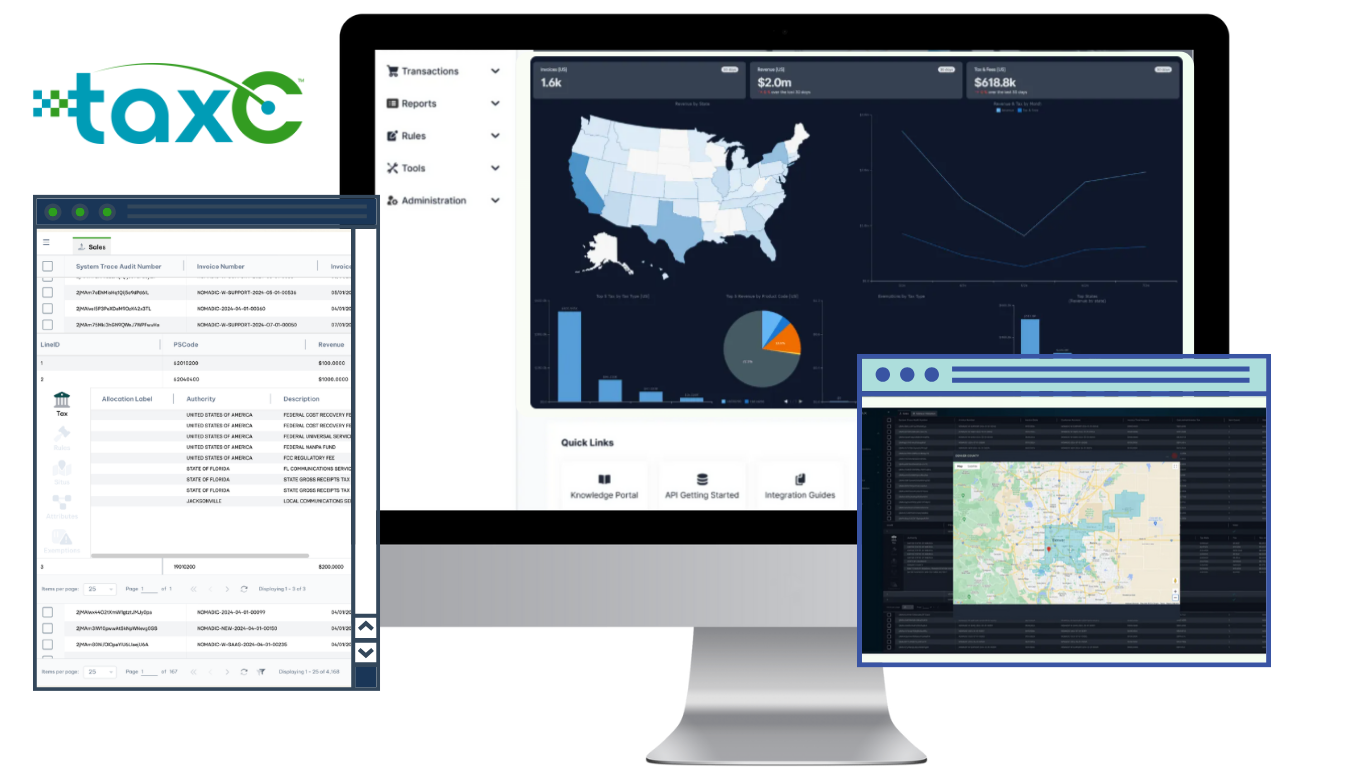
Designed to eliminate the headaches of sales tax management, taxC™ streamlines tax calculations, filing, remittance, GL reconciliation, tax calendar management, jurisdictional correspondence, and more—all while ensuring your compliance with real, human oversight from a dedicated practitioner.


This software development company was using an automated system to file their sales tax, but the system itself was unable to integrate changing sales tax requirements when filing. TaxConnex provided a sales tax practitioner to keep up with the changing sales tax notices and directly file for the company where they had obligations.

Our processes now are so simple which has given our team back some much-needed time as our expansion has led to various bigger projects within the company. I love working with [our practitioner]! They are so helpful and patient. Anytime I ask a question, I get an answer back in less than 24 hours (if not within the hour I emailed).”

I truly view TaxConnex as a partner to our business. Just like we have customers who rely on us as their subject matter experts, I am able to rely on TaxConnex as our sales tax expert.
We understood the array of benefits that using TaxConnex services would provide our team, especially the amount of time we would be able to recoup and use for other projects. Internally, the person who managed the majority of our sales tax process has been able to redistribute about 60% of their workload toward other key responsibilities within our department since outsourcing our sales tax to TaxConnex.
Dotmatics | TaxConnex Conco | TaxConnex Granite City | TaxConnex Tellermate | TaxConnex
Mercedes Collins - AR Specialist at Dotmatics
Lorin Welsh - Sales Tax & Project Cost Accountant at Conco
Cori Hornbeck - CFO at Granite City Electric Supply
Jon Powell - Financial Controller at Tellermate, Inc
 

Sales Tax Compliance for Complex Construction Businesses FAQs

  • Do construction companies have to charge sales tax on their services?

    Sales tax for construction companies varies by state and by project type.

    In most states, construction contractors do not charge sales tax on real property construction services. Instead, they are typically treated as the end user of the materials they incorporate into a project and must pay sales or use tax on those materials at the time of purchase.

    However, tax treatment varies depending on the type of contract and the state. Some states tax certain repair, installation, or specialty services. Because rules differ by jurisdiction and project type, contractors must evaluate how their services are classified before billing customers.

  • When are construction services taxable?

    Construction services may be taxable when a contractor is selling and installing tangible personal property rather than improving real property. Taxability depends on state rules, the type of work performed, and how the contract is structured. Because these rules vary by jurisdiction, tax treatment cannot be applied consistently across all projects or states.

  • Do contractors pay sales tax on building materials?

    Yes, in most states contractors are responsible for paying sales tax on building materials they purchase for real property projects. Contractors are generally considered the final consumer of materials that become part of real property.

    This means suppliers typically charge sales tax at the time of purchase, and contractors do not collect sales tax from the property owner. If sales tax was not paid at purchase, contractors may owe use tax on the materials instead.

    .

  • How do sales tax exemptions apply in the construction industry?

    Sales tax exemptions in construction depend on the type of project, the customer, and the structure of the contract. In most states, contractors are treated as the end users of building materials and must pay sales tax on those materials, even if the property owner is tax-exempt.

    However, certain projects, such as government or nonprofit jobs, may qualify for exemption if specific documentation and purchasing procedures are followed. In some states, the exempt entity must purchase materials directly or issue a project exemption certificate for the exemption to apply.

    Because exemption rules vary by state and by contract type, contractors must understand whether they are acting as a consumer of materials or as a retailer. Applying an exemption incorrectly can result in unexpected tax assessments during an audit.

  • Why is sales and use tax compliance complex for construction companies?

    Construction companies face complexity because sales and use tax rules vary by project location, contract type, material usage, customer type, and timing. Multi-state operations, local jurisdictions, and differing tax treatment for materials and services increase the difficulty of remaining compliant without dedicated processes and oversight. Learn more here.