Sales Tax Scaries 4: Nexus and Taxability
When Sales Tax Creeps Up on You
Ever notice how the first characters in every horror movie never...
With over 20 years of experience managing sales and use tax complexities, TaxConnex understands the nuances automation alone cannot solve. Our combination of technology, dedicated experts, and hands-on oversight keeps your business compliant, no matter how complex your operations become.
Retailers must consider sales tax nexus when they ship into states where they do not have brick and mortar locations. E-Commerce brands also need to track their nexus footprint as customers can generally be located anywhere. Review economic nexus thresholds on our map here!
Many businesses who sell on their own website, may also sell their products wholesale, through resellers or with a marketplace facilitator. Each of these channels can have an impact on your sales tax obligation that you need to be aware of.
Many companies now have marketplaces on websites for taking orders and making retail sales of tangible personal property without maintaining any inventory. Instead, they are leveraging other suppliers/distributors who “drop-ship” the product directly to the customer. Understanding who has the sales tax obligation in this scenario or when an exemption certificate can be used can be quite tricky to understand.
Listen to why our client, Mark Kost of Force of Nature Clean, chooses to UPSOURCE their sales tax management to TaxConnex!
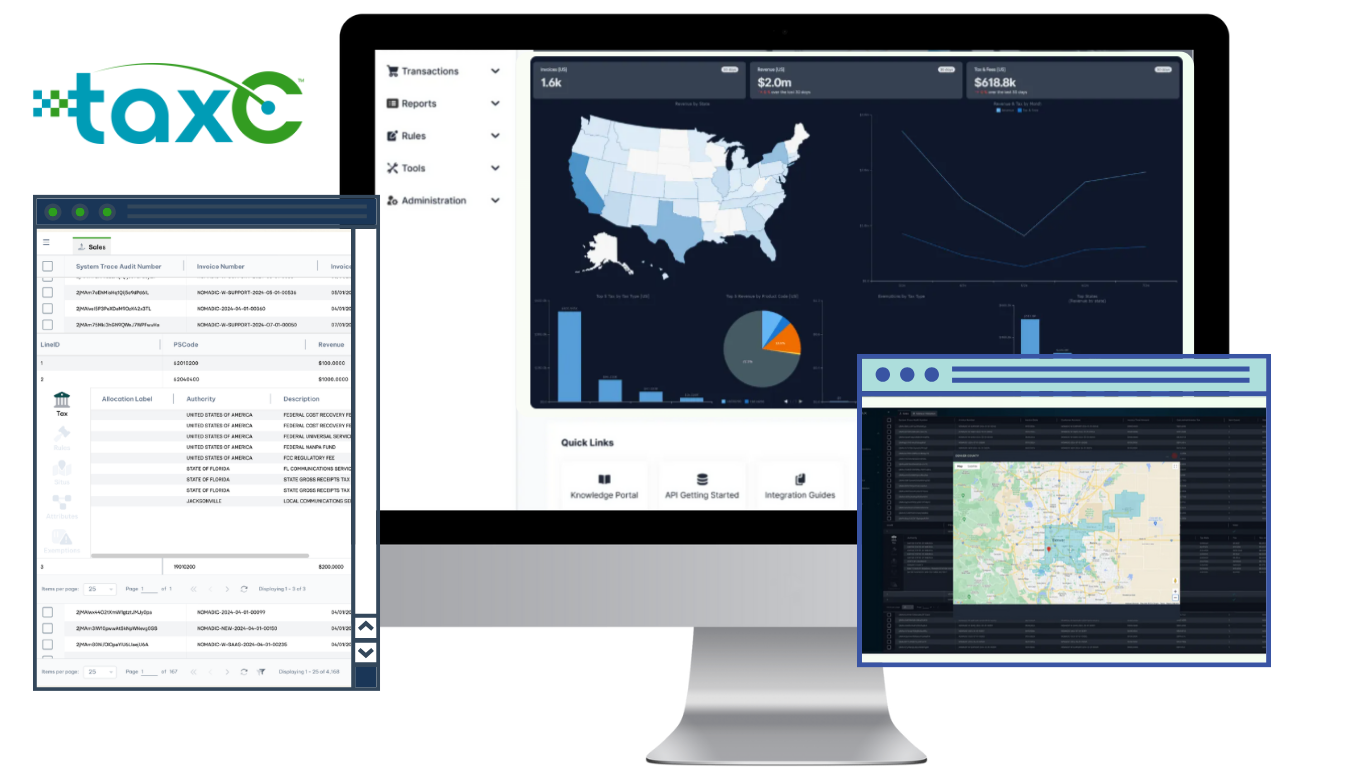
Designed to eliminate the headaches of sales tax management, taxC™ streamlines tax calculations, filing, remittance, GL reconciliation, tax calendar management, jurisdictional correspondence, and more—all while ensuring your compliance with real, human oversight from a dedicated practitioner.

Granite City Electric Supply saw their employee base become more remote and their customer base grew further outside of the New England. Knowing their sales tax obligation would be growing, they wanted to ensure compliance as soon as possible.
This global fitness company needed their sales tax compliance process established by experts with their business rapidly growing. MAXPRO Fitness needed a sales tax solution that would provide accurate guidance and get a firm grasp on their sales tax obligations. TaxConnex was able to provide all that MAXPRO Fitness needed.
BODi navigated the complexities of understanding the tax implications of their expanding range of products across 4 entities in two countries with varying regulations. They relied on TaxConnex for their dedication to clear communication, accuracy, and reliability.
It depends on the state’s economic nexus threshold. Most states require businesses to collect sales tax once they exceed a certain amount of sales revenue or number of transactions into that state, even if they have no physical presence there.
Many states use a $100,000 annual sales threshold, while others use $250,000, $500,000, or include a transaction-count test. In most cases, the threshold is based on gross revenue, not just taxable sales, and may include marketplace sales depending on the state’s rules.
Once the threshold is exceeded, the business is generally required to register and begin collecting sales tax going forward. Because thresholds and measurement periods vary by state, monitoring sales activity regularly is essential to avoid late registration and potential exposure.
Check out our economic nexus map for state by state specifics!
Selling through multiple channels, , such as your own website, marketplaces, brick-and-mortar stores, and social platforms, can create overlapping sales tax obligations. Each channel may have different collection, reporting, and documentation requirements.
Marketplace facilitators often collect and remit tax on marketplace sales, but direct website and in-store sales remain the retailer’s responsibility. In addition, many states include marketplace sales in economic nexus thresholds, even if the retailer does not collect the tax on those transactions. Multi-channel sellers must track sales by state and by channel to ensure proper registration, reporting, and compliance.
Drop shipments occur when a retailer sells a product to a customer but directs a third-party supplier to ship the product directly to that customer. Instead of the retailer taking physical possession of the goods, the supplier fulfills the order on the retailer’s behalf.
Sales tax complexity arises because there are two transactions involved: one between the retailer and the customer, and another between the retailer and the supplier. If the retailer does not provide a valid resale exemption certificate to the supplier for the state where the product is delivered, the supplier may be required to charge sales tax on the wholesale transaction.
In addition, not all states accept out-of-state resale certificates, and some require specific forms. As a result, determining who must collect tax and which exemption documentation is required depends on the states involved and the registration status of the parties. For multi-state retailers, drop shipments are a common source of audit exposure.
In a drop shipment, the resale certificate is typically required from the retailer to the supplier. Because the supplier is making a sale to the retailer, even though the product ships directly to the end customer, the supplier must have a valid resale exemption certificate on file to avoid charging sales tax on that transaction.
The certificate generally must be valid in the state where the product is delivered. In some states, the retailer must be registered for sales tax in the delivery state to issue a valid resale certificate. If the retailer is not registered or cannot provide an acceptable certificate, the supplier may be required to charge sales tax on the wholesale sale.
Drop shipments are complex because exemption certificate rules vary by state, and not all states accept out-of-state resale certificates. Retailers and suppliers must understand the documentation requirements in each jurisdiction to avoid unexpected tax assessments.
Read more on the complexity of drop shipments here!
.
In many states, yes. Even when a marketplace collects and remits sales tax on your behalf, those sales often must still be reported on your sales tax return.
States typically require retailers to report total gross sales, then deduct marketplace-facilitated sales from taxable sales. Failing to properly report these transactions can create discrepancies during audits. Accurate channel-level tracking is essential to ensure returns reconcile with marketplace reporting.
Most states can audit ecommerce sellers for three to four years from the date a return was filed. However, if a business never registered or never filed returns in a state where it had nexus, the statute of limitations may could be indefinite.
This is particularly important for ecommerce sellers who may have triggered economic nexus or inventory-based nexus without realizing it. If no returns were filed, a state can assess tax, penalties, and interest for all open years. In some cases, voluntary disclosure programs may limit the lookback period if exposure is identified before the state initiates contact.
If exposure exists, proactively addressing it before a state initiates contact is often the most effective way to limit lookback periods, reduce penalties, and bring the business into compliance.
Ever notice how the first characters in every horror movie never...
Copyright © 2025 TaxConnex, LLC